
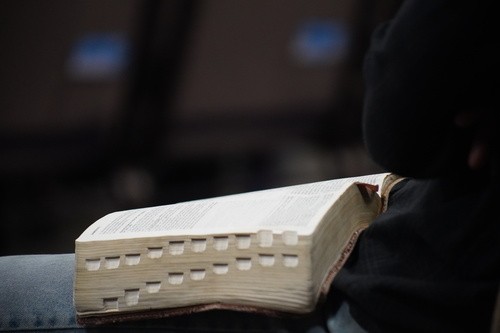
Adapted from a message by Pastor Steve at Hope City Church on 1 Peter 2:11–25. This article is an editorial adaptation of the sermon, rather than a verbatim transcript.
It is easy to talk about faith when life is going well. But what happens when someone treats us unfairly, a person in authority makes a decision we disagree with, or we feel justified in responding with anger?
Those moments reveal what we believe—and give the people around us a glimpse of how faith in Jesus shapes our lives.
In 1 Peter 2:11–25, Peter moves from reminding believers who they are in Christ to explaining how they should live because they belong to Him. His message challenges us to consider our private struggles, our public conduct, and the example Jesus gives us when doing the right thing becomes difficult.
The Private Battle Shapes Our Public Witness
Peter begins by addressing believers as strangers and exiles. Their ultimate home is with God, and their identity in Christ should influence how they live in the world.
In verse 11, he urges them to resist sinful desires that wage war against the soul. That language makes clear that sin deserves serious attention.
Pride, jealousy, lust, anger, and bitterness can take root in our hearts. Over time, those private struggles influence our words, our relationships, and our responses to disappointment.
As Pastor Steve emphasized, the battle we fight privately affects the testimony we have publicly.
We can quickly identify problems in the world around us while overlooking what is happening within us. Peter calls us to bring our own hearts before God. That is a daily practice: confessing sin, seeking the Holy Spirit’s help, and choosing obedience when our desires pull us elsewhere.
Consider the response that comes most naturally when someone frustrates you. Does it reveal patience, or resentment? Are you willing to let God address what is underneath it?
Let Your Life Support the Gospel You Share
In 1 Peter 2:12, Peter calls believers to live honorably among people who do not share their faith. Even those who speak against them can observe their good works.
People notice how Christians treat others. They see how we handle criticism, whether we extend forgiveness, and how we behave when we do not get our way.
Pastor Steve described honorable conduct as something beautiful for others to observe. A life marked by grace, integrity, and kindness gives substance to the message we proclaim.
This raises practical questions. When we speak about forgiveness, are we willing to forgive? When we tell people about God’s grace, do we show grace? When we proclaim the love of Jesus, do our relationships reflect His love?
Jesus teaches a similar principle in Matthew 5:16: our good works should point others toward our Father in heaven.
We cannot control whether someone receives the gospel. But we can ask God to help us live in a way that supports the truth we share. Someone who dismisses our faith today may later remember the kindness we showed during a difficult moment.
Good Works Grow Out of Salvation
Talking about conduct brings up an important question: do good works save us?
Pastor Steve made the distinction clear. Salvation rests on the finished work of Jesus Christ. We receive it through faith in Him, turning from sin and trusting in His death and resurrection. We cannot earn forgiveness through our own efforts.
Good works are the fruit of the new life Jesus gives us. Because we belong to Him, we are called to live in ways that reflect His character.
That gives everyday obedience a meaningful place in the Christian life. Telling the truth, serving someone in need, extending forgiveness, and responding patiently are expressions of a faith that is shaping us from within.
Honor Authority With Your Allegiance Rooted in God
In 1 Peter 2:13–17, Peter applies honorable conduct to our relationship with governing authorities. He calls believers to submit because of the Lord.
This instruction can be challenging when we disagree with leaders or believe decisions are unfair. Our responsibility to honor Christ still shapes how we speak and act.
The sermon also makes an essential distinction: submission does not mean unconditional obedience. In Acts 5:29, Peter and the apostles affirm their obligation to obey God when human authorities command them to stop doing what God has called them to do.
Our highest allegiance belongs to the Lord.
Christians can use lawful means to address wrongdoing, petition leaders, vote, and seek justice. Pastor Steve pointed to Paul’s use of his rights as a Roman citizen as an example of appealing to legal protections.
Throughout those actions, our conduct matters. Disagreement does not remove our responsibility to treat people with dignity. Peter’s commands in verse 17 bring these responsibilities together: honor everyone, love fellow believers, fear God, and honor the emperor.
Respond Faithfully When You Are Treated Unfairly
Peter next addresses household slaves who experience harsh treatment. These verses speak into a situation of real vulnerability and injustice.
Pastor Steve explicitly clarified that the passage does not endorse slavery or mistreatment, and that people in abusive situations should seek protection. Honoring God is compatible with seeking safety and justice.
The principle he draws from the passage is that another person’s sinful behavior should not determine our character.
Our circumstances today differ from those of the people Peter addressed. Still, we face moments when we are falsely accused, overlooked, insulted, or treated unfairly. In those moments, the temptation to retaliate can feel powerful.
David’s response to Saul offers an example of restraint and trust. Although Saul sought his life, David refused opportunities to kill him and entrusted judgment to God. David also fled from danger.
We can pursue protection and accountability while refusing to repay evil with evil. God sees our faithfulness, including the choices other people never notice.
Follow Jesus, Who Suffered for Us
The passage leads us to Jesus in 1 Peter 2:21–25. He endured insults and suffering without responding with deceit, retaliation, or threats. He entrusted Himself to the Father, who judges justly.
His example challenges us to consider how we respond when we feel wronged. Following Him requires the help of God; our own strength is insufficient.
Peter also points us to the saving purpose of Christ’s suffering. Jesus bore our sins on the cross so that we could be forgiven and live for righteousness.
As Pastor Steve emphasized, Jesus suffered as both our example and our substitute. He took the punishment for our sins and opened the way for us to be reconciled to God.
The passage closes with the image of wandering sheep brought back to the Shepherd and Overseer of their souls. Our hope rests in the Savior who rescues us, cares for us, and leads us into a changed life.
Put This Message Into Practice This Week
Faith reaches into our homes, workplaces, conversations, and responses to conflict. As you reflect on this passage, take time to consider:
- What private struggle is affecting the way I treat others?
- Where do my actions need to better reflect the gospel I share?
- How can I express disagreement with integrity and respect?
- Is there a hurt I need to bring to God before I respond?
- What concrete step of obedience can I take this week?
Ask the Holy Spirit to show you where change is needed and help you take that step. It may involve confessing bitterness, seeking forgiveness, speaking truth with patience, or pursuing help in a difficult situation.
Because we belong to Jesus, every day offers an opportunity to reflect His character. The people around us are watching—and God can use our faithfulness in ways we may never see.
Prayer
Lord Jesus, thank You for bearing our sins and bringing us back to God. Search our hearts and reveal the attitudes that need to change. Help us respond to others with patience, courage, and grace. Give us wisdom to seek what is right and strength to trust You when life is unfair. May our words and actions help others see Your goodness. Amen.